
Cost to Rewire a Home in Middle Georgia
Cost to Rewire a Home in Middle Georgia is a question many buyers and sellers ask as they plan for inspections, upgrades, and long-term property value. Most Macon homeowners spend $10,000–$18,000, with typical costs of $2–$4 per square foot based on access. When buying or selling a home in Middle Georgia, the electrical system is one of the most important — and most overlooked — components of the property. Rewiring is not a cosmetic upgrade; it is a major safety improvement that brings a home up to modern standards and protects long-term value. Cost studies from national home-improvement platforms and licensed electrical contractors consistently show that labor is the largest portion of the investment and that accessibility inside the home plays a major role in the final price.
Why Rewiring Matters in Middle Georgia
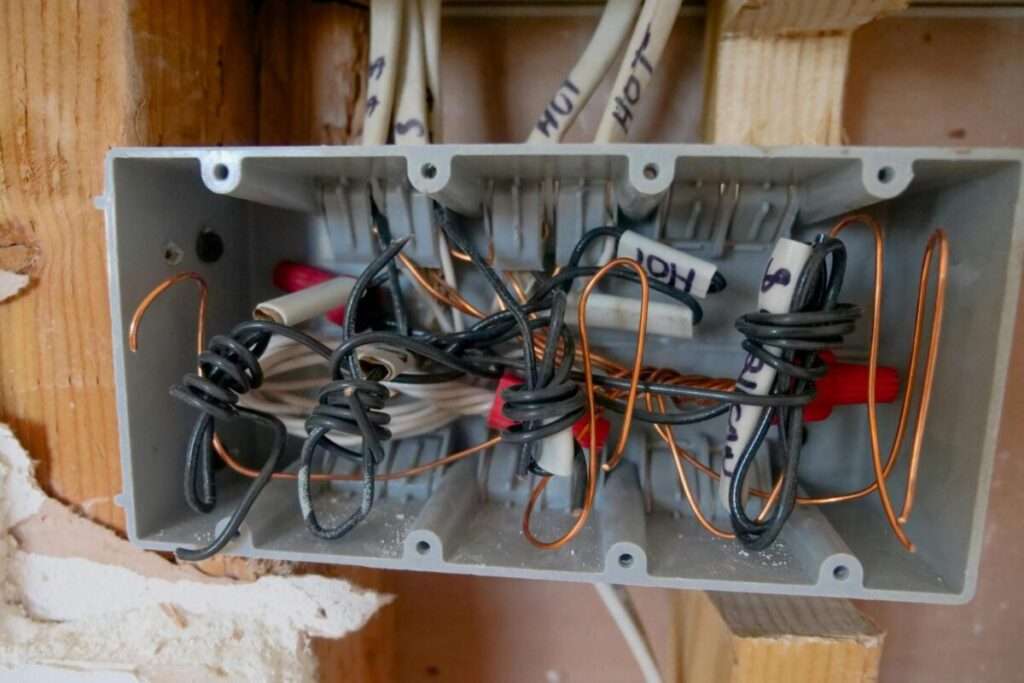
Many homes in Macon, Warner Robins, Byron, and surrounding communities were built decades ago, long before today’s electrical demands. Modern lifestyles require more dedicated circuits for HVAC systems, kitchen appliances, home offices, media equipment, and smart-home technology. Older wiring systems were not designed for this level of use.
For sellers, outdated wiring can appear during the inspection process and lead to repair negotiations, insurance concerns, or buyer hesitation. For buyers, it directly affects safety, functionality, and the true cost of ownership. A properly updated electrical system gives confidence that the home can handle modern living.
Average Cost to Rewire a Home in the Macon Area
Based on regional square-foot pricing and national full-project averages, most homeowners in Middle Georgia can expect:
-
$10,000 to $18,000 for a typical full rewire
-
$2 to $4 per square foot for straightforward projects
-
$15,000 to $25,000+ for larger homes or difficult access
Smaller homes with excellent access — such as open crawl spaces and walkable attics — often fall on the lower end. Older homes, slab foundations, plaster walls, or projects that require a new electrical panel typically move toward the higher end of the range.
What’s Included in a Full Rewire
A complete rewiring project is more than simply pulling new wire. It typically involves:
-
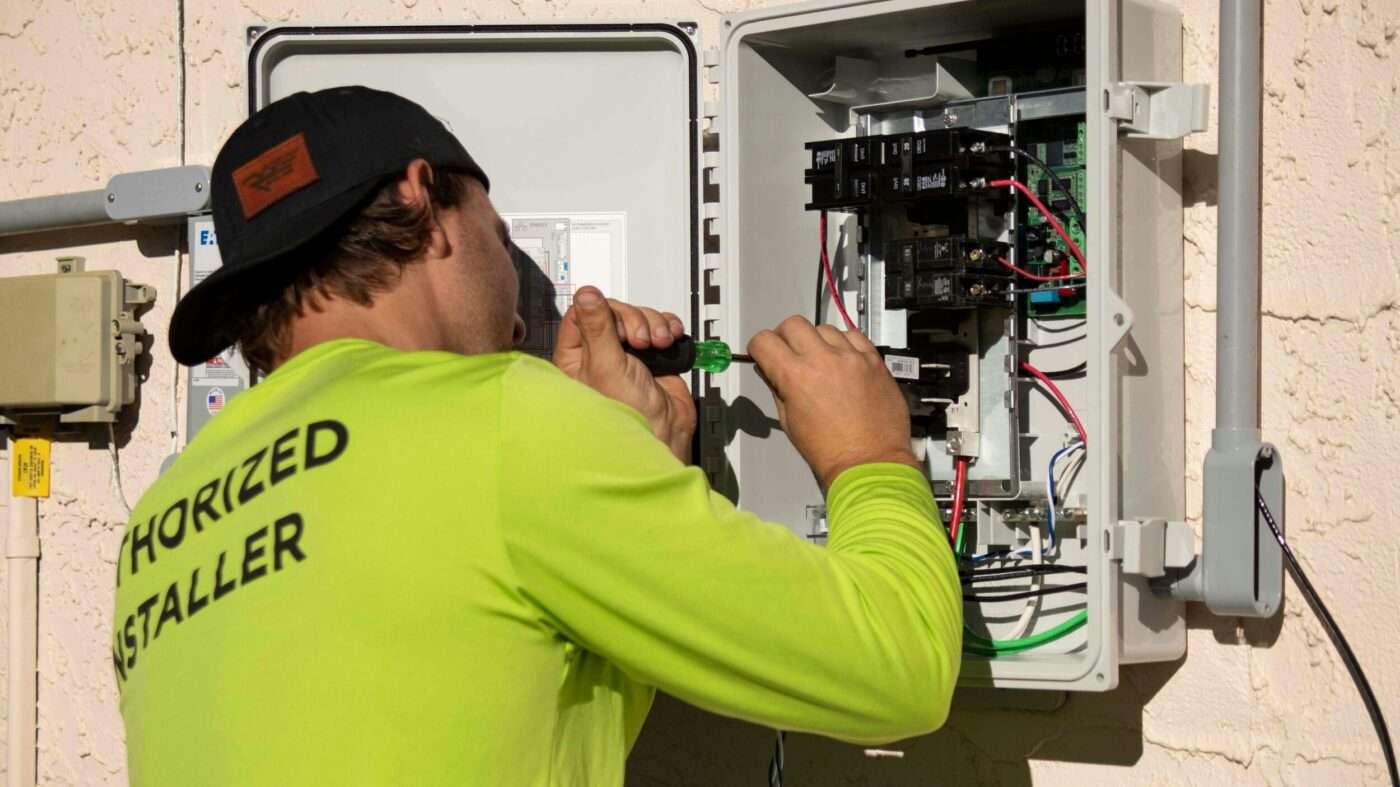
Removing or abandoning outdated wiring
-
Installing new modern wiring throughout the home
-
Replacing outlets, switches, and light boxes
-
Adding circuits to meet current electrical code
-
Upgrading the electrical panel when needed
-
Permits and final inspections
These steps are required for the home to meet today’s safety standards and properly support modern electrical usage.
How Access Affects the Cost
Crawl Space or Basement Access
Homes with accessible crawl spaces or basements are usually the most cost-effective to rewire. Electricians can run new wiring beneath the home with minimal wall removal, which significantly reduces labor time and repair work.
Slab Foundations
Slab homes are more complex. Without access below the floor, wiring must be routed through the attic or carefully fished through interior walls. This increases the time required and raises the overall cost.
Attic Access
A large, accessible attic is one of the biggest advantages in a rewiring project. It allows new wiring to be distributed from above with far less disruption to finished living spaces.
Wall Construction and Finishes
The materials inside the walls also matter:
-
Drywall is the easiest and least expensive to open and repair
-
Plaster requires more labor and specialized patching
-
Tile, wood paneling, and built-in cabinetry slow access and increase restoration costs
Industry estimates show that limited access can increase labor by 20–30% or more.
Additional Cost Factors
Several other elements influence the final investment:
-
Electrical panel upgrades, commonly $1,500–$3,000
-
Permit and inspection fees required for code compliance
-
Home size and layout, which determine the amount of wiring needed
-
Number of outlets and fixtures, since modern code requires more than older homes have
-
Age of the home, which often brings additional corrections
Because labor typically accounts for 50–70% of the total project cost, anything that slows installation increases the overall price.
Is Rewiring Worth It Before Selling?
In many Middle Georgia homes — especially those built several decades ago — the answer is yes.
A newly rewired home:
-
Reduces inspection concerns
-
Attracts more confident buyers
-
Helps support stronger offers
-
Minimizes last-minute repair negotiations
It also signals that the home has been properly maintained, which is a powerful advantage in a competitive market.
What Buyers Should Look For
If you’re purchasing an older home, ask a few key questions:
-
Has the home been fully rewired?
-
When was the electrical panel last updated?
-
Are there enough circuits for modern appliances and HVAC systems?
If the answer is no, understanding the typical cost to rewire a home in Middle Georgia gives you the information you need to negotiate effectively and plan for future improvements.
Long-Term Value for Middle Georgia Homeowners
Electrical upgrades are not just about convenience — they are about safety, functionality, and protecting the long-term value of the home. In today’s real estate market, buyers are more informed than ever, and major system updates make a property stand out.
Whether you’re preparing to sell or evaluating a home to purchase, knowing the real cost to rewire a house in Middle Georgia helps you make confident decisions and move forward with a clear understanding of your investment.

New Listings: Macon Georgia
Sign up: Market Reports
Learn More: About JoJo
View More: Macon Listings
Featured: Macon Magazine
JoJo's Properties: JoJo's Listings Hub
Contact Me: Sell Smart with JoJo™