
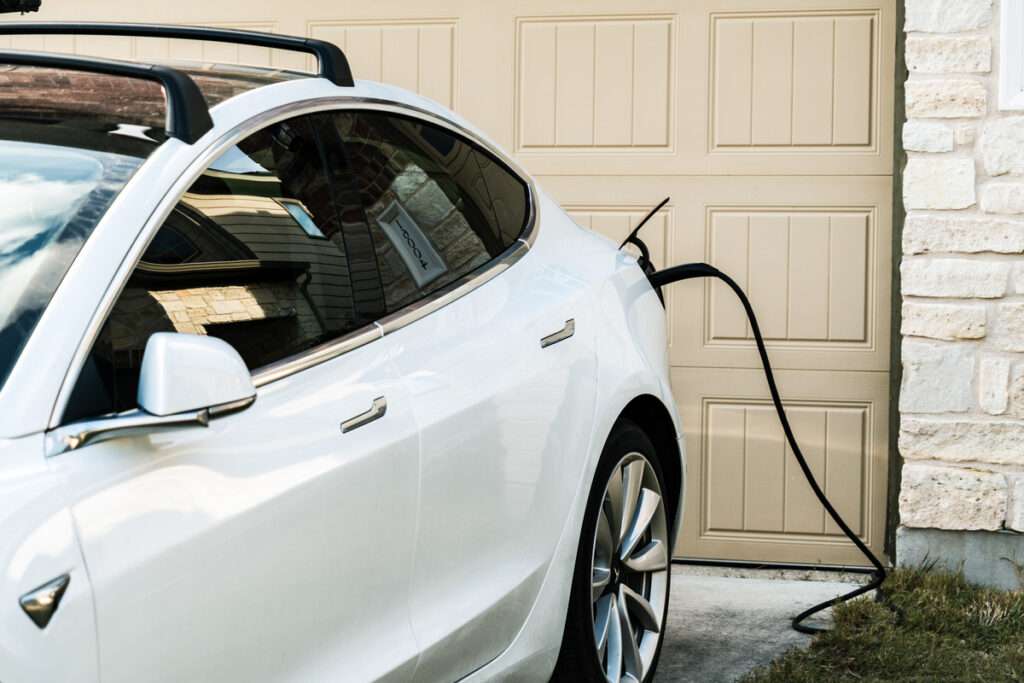
Charging Your Electric Car at Home
As electric vehicles become more common on Georgia roads, many Macon homeowners are exploring the option of installing a home charging station. Whether you already own an EV or you’re planning for one in the future, understanding the setup process can help you make informed decisions about your home and its electrical system.
This guide walks through the different types of chargers, what installation involves, and what costs to expect.
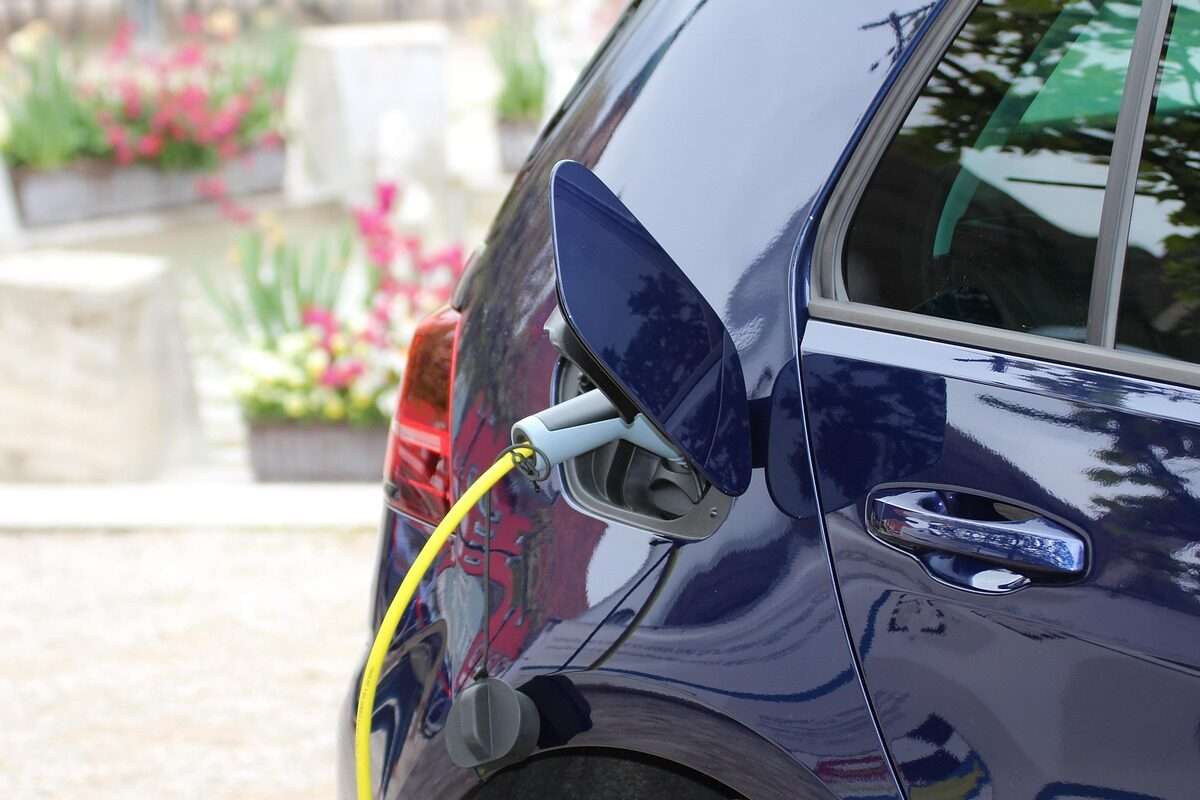
Why Home Charging Matters
Home charging provides a simple and consistent way to keep an electric vehicle ready for daily use. Many homeowners prefer charging at home because it allows the vehicle to recharge overnight without relying on public charging stations. Understanding how home charging works is the first step in deciding what type of setup is right for your garage.
1. The Three Types of Electric Vehicle Chargers
EV chargers fall into three standard categories: Level 1, Level 2, and Level 3. Each type offers different charging speeds and installation requirements.
Level 1 Charging (120-Volt Standard Outlet)
Install needed: None
Speed: Approximately 3–5 miles of range per hour
Where used: Any standard household outlet
Level 1 charging works with the most basic equipment and requires no electrical modifications. It is the slowest option, but sufficient for some plug-in hybrids or for EV drivers who travel short distances.
Level 2 Charging (240-Volt Home Installation)
Install needed: Yes — dedicated 240-V circuit
Speed: Approximately 20–40 miles of range per hour
Where used: Most home charging setups
Level 2 charging is the most common choice for daily EV use. It requires a 240-volt outlet similar to those used for dryers or other large appliances. Level 2 chargers may be:
Plug-in units using a NEMA 14-50 outlet
Hardwired units connected directly to the electrical panel
Because of the higher voltage, installation must be performed by a licensed electrician.
Level 3 Charging (DC Fast Charging — Commercial Only)
Install needed: Commercial infrastructure
Speed: Adds significant range in minutes
Where used: Public stations, highway travel
Level 3 chargers operate at much higher power levels and are not designed for residential installation.
Summary of Charger Types
| Charger Type | Voltage | Home Use | Install Needed | Speed |
|---|---|---|---|---|
| Level 1 | 120V | Yes | No | Slow |
| Level 2 | 240V | Yes | Yes | Fast |
| Level 3 | 400–900V | No | Commercial only | Very fast |
2. What’s Involved in Installing a Level 2 Charger
For homeowners who want faster charging, a Level 2 system is the most practical option. Installation is straightforward when handled by a licensed electrician and typically includes the following steps.
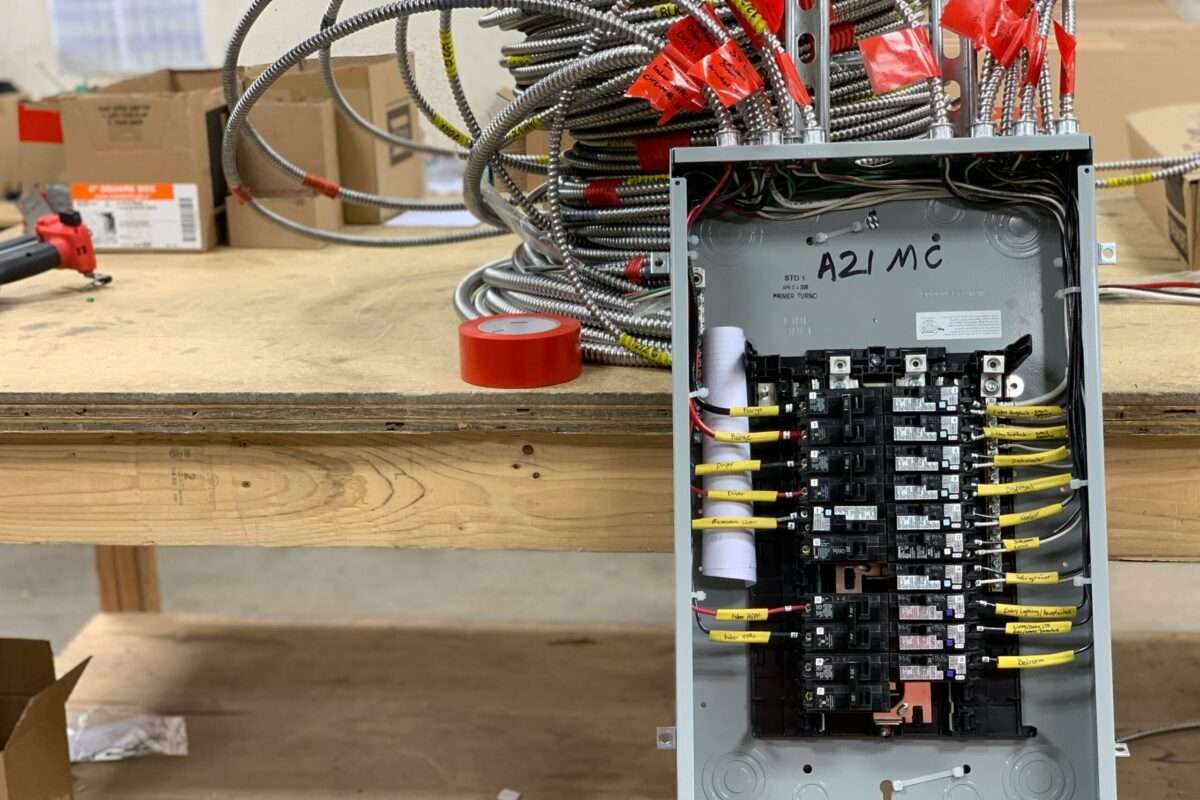
Step 1: Evaluate the Electrical Panel
An electrician will check:
Available amperage
Panel condition
Whether a new circuit can be added
The distance between the panel and garage
This evaluation determines whether the existing electrical system can support a 240-volt charger or whether upgrades are needed.
Step 2: Install a 240-Volt Circuit
Depending on your setup, the electrician may install:
A NEMA 14-50 outlet, or
A hardwired charging unit
Both options work well and meet electrical code requirements when installed correctly.
Step 3: Permitting and Inspection
Most EV charging installations in Bibb County require:
An electrical permit
A final inspection by the county or city
These steps ensure the installation complies with current electrical codes and safety standards.
Step 4: Mount and Test the Charger
Once wiring and the outlet are complete, the charger is mounted, connected, and tested to confirm proper operation.
3. Average Cost of Installing a Home EV Charger
Costs vary based on home layout, electrical capacity, and the type of charger selected. Recent data shows:
Typical Cost Range
$800 – $3,000 for most standard installations
~$2,442 is the reported national installation average
$3,000 – $5,000+ for installations requiring major electrical upgrades
Factors That Influence Cost
Distance between the electrical panel and garage
Whether a 240-volt outlet already exists
Type of charger (basic vs smart models)
Electrical panel size and age
Permit and inspection requirements
Whether the charger is plug-in or hardwired
These variables determine the overall labor and material costs.
4. Common Types of Home Charging Equipment
Several reliable Level 2 chargers are commonly used in residential settings:
ChargePoint Home Flex
JuiceBox 40/48
Wallbox Pulsar Plus
Tesla Wall Connector (for Tesla vehicles or EVs using an adapter)
Each option provides a different combination of power output, smart features, and installation requirements.
5. Is a Home Charger Right for Your Garage?
Installing a home charger is a practical solution for EV owners who prefer the convenience of overnight charging. Understanding your home’s electrical capacity and the installation steps involved can help you choose the right charging setup for your needs.
Need Guidance on Home Improvements?
If you have questions about preparing your home for the future or want general advice about renovations, electrical upgrades, or property considerations, JoJo Jones is always available to help Macon homeowners make informed decisions.

New Listings: Macon Georgia
Sign up: Market Reports
Learn More: About JoJo
View More: Macon Listings
Featured: Macon Magazine
JoJo's Properties: JoJo's Listings Hub
Contact Me: Sell Smart with JoJo™