
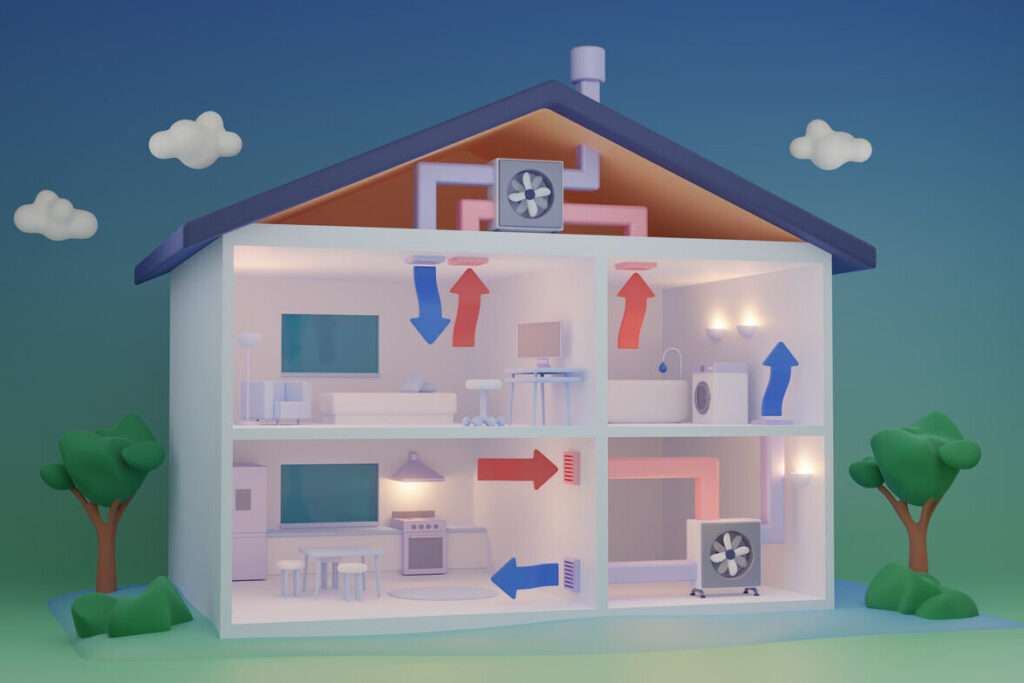
Guide to Better Indoor Air Quality
This Guide to Better Indoor Air Quality helps homeowners improve comfort, reduce humidity issues, and protect their health and home value year round. With Americans now spending nearly all of their time indoors, and even more for those who work from home, the air inside your house matters more than ever. In Middle Georgia’s humid summers, mild winters, and mix of older and newer homes, maintaining clean and balanced indoor air is essential.
Whether you own a historic home in Macon or live in one of the newer neighborhoods across Middle Georgia, controlling humidity and maintaining healthy air flow can improve daily comfort and protect your investment for years to come.
Why Indoor Air Quality Matters
Indoor air pollutants can build up quickly in homes that are tightly closed for heating, sealed for air conditioning, or do not have much natural ventilation. Indoor air can often be more polluted than outdoor air, and because people spend most of their time inside, exposure is constant.
Problems such as high humidity, dry indoor air, clogged HVAC filters, and poor circulation all contribute to:
- Allergy and asthma symptoms
- Breathing and sinus irritation
- Mold and mildew growth
- Dust buildup throughout the home
- Strain on your HVAC system
- Long-term damage to wood, floors, and drywall
The good news is that improving indoor air quality is not complicated. With a few consistent habits and the right seasonal strategy, you can make a big difference.
The Role of Humidity in Home Comfort
When Humidity Is Too High
Middle Georgia’s warm seasons bring high moisture levels that can seep into living areas, utility rooms, basements, and crawlspaces. When indoor humidity rises too high, it creates the perfect environment for:
- Mold and mildew
- Dust mites and other allergens
- Musty odors
- Weakened wood, drywall, and trim
- Respiratory irritation or allergy flare-ups
A dehumidifier can make a dramatic difference, especially in:
- Older homes with limited ventilation
- Basements or underground utility rooms
- Areas with dirt floors or bare foundation
- Any room that feels damp or smells musty
For most homes, keeping humidity roughly in the thirty to fifty percent range helps protect your home from moisture-related damage and makes the air feel more comfortable.
When Indoor Air Becomes Too Dry
In winter, heating systems dry out the air inside the home. Even in Middle Georgia, where winters are mild, indoor air can become quite dry after the heat has been running for a while. Low humidity can cause:
- Dry skin and lips
- Sinus and throat irritation
- Coughing or scratchy eyes
- Static electricity
- Cracking floors, trim, and furniture over time
A humidifier adds gentle moisture back into the air and keeps your home more comfortable. It can also make the house feel warmer without constantly raising the thermostat, which helps with energy costs.
Just like with dehumidifiers, the goal is balance. You do not want air that feels damp, and you also do not want air that feels painfully dry. A moderate, steady humidity level is ideal for both comfort and home maintenance.
The Work-From-Home Factor
More people now work from home full-time or on a hybrid schedule. That means longer days spent in home offices, converted bedrooms, or bonus rooms that may not have been designed for all-day occupancy. When your home is also your workspace, indoor air quality becomes even more important.
Poor air, heavy dust, or uncomfortable humidity can lead to headaches, fatigue, irritated sinuses, and difficulty concentrating. Clean, balanced air supports better focus, better rest at night, and a more enjoyable workday.
Your HVAC System Plays a Major Role
Change Your Filters Regularly
Air filters are your home’s first line of defense against dust, allergens, and many airborne particles. They can only do their job if they are replaced on time.
General guidelines for most homes include:
- Every thirty to sixty days for standard one-inch filters
- Every three to six months for larger media filters
- More often if you have pets, allergies, or run your system constantly
A clean filter improves airflow, reduces strain on your HVAC system, and immediately enhances indoor air quality. It is one of the simplest and most effective home maintenance tasks.
Keep Air Moving
Good ventilation helps prevent airborne pollutants from building up in any one area. You can support healthier air by:
- Using bathroom fans during and after showers
- Running the kitchen range hood while cooking
- Making sure supply and return vents are not blocked by furniture
- Using ceiling fans to gently circulate air throughout the home
On low-humidity days, opening windows briefly can give the home a fresh exchange of air, especially in spring and fall.
Moisture Control in Older or Historic Homes
Homeowners in Middle Georgia often deal with crawlspaces, partial basements, and utility rooms with minimal ventilation. In some older properties, you may even find areas with dirt floors or exposed foundation. These spaces can allow moisture to rise into the main living areas, contributing to mold, mustiness, and long-term structural wear.
Simple steps can make a big difference:
- Inspect basements, crawlspaces, and utility rooms regularly for dampness or leaks
- Use a dehumidifier in spaces that feel humid or smell musty
- Seal gaps where outdoor moisture can enter
- Make sure gutters and downspouts direct water away from the foundation
- Address any signs of mold or standing water promptly
Other Simple Steps That Improve Indoor Air
- Use high-quality HVAC filters recommended for your system
- Add portable air purifiers in bedrooms, nurseries, or home offices
- Clean ceiling fan blades and vent covers regularly
- Store paints and chemicals in well-ventilated areas, not main living spaces
- Vacuum and dust more frequently if you have pets
- Check for water leaks after heavy rains
- Replace weatherstripping to reduce drafts and keep dust out
- Keep gutters and downspouts clean to prevent moisture intrusion
A Healthier Home Is a More Valuable Home
Balanced humidity, clean filtration, and good ventilation protect both people and property. Homes that manage moisture and air quality well are less likely to suffer from warped floors, peeling paint, visible mold, musty odors, and premature HVAC breakdowns. These issues can impact comfort today and resale value in the future.
When buyers walk into a home that feels fresh, clean, and comfortable, it creates immediate confidence. Maintaining your indoor air quality now sets you up for a stronger, healthier living environment and a more appealing home if you ever decide to sell.
Final Thoughts
Indoor air quality plays a larger role in daily life than many people realize. With simple tools like a humidifier, a dehumidifier, clean HVAC filters, consistent ventilation, and regular moisture checks, you can create a healthier, more comfortable home while preventing costly issues down the road.
In Middle Georgia, where humidity, older homes, and changing seasons are all part of the picture, paying attention to your indoor air is one of the easiest ways to protect your home and take care of the people who live in it.

New Listings: Macon Georgia
Sign up: Market Reports
Learn More: About JoJo
View More: Macon Listings
Featured: Macon Magazine
JoJo's Properties: JoJo's Listings Hub
Contact Me: Sell Smart with JoJo™