
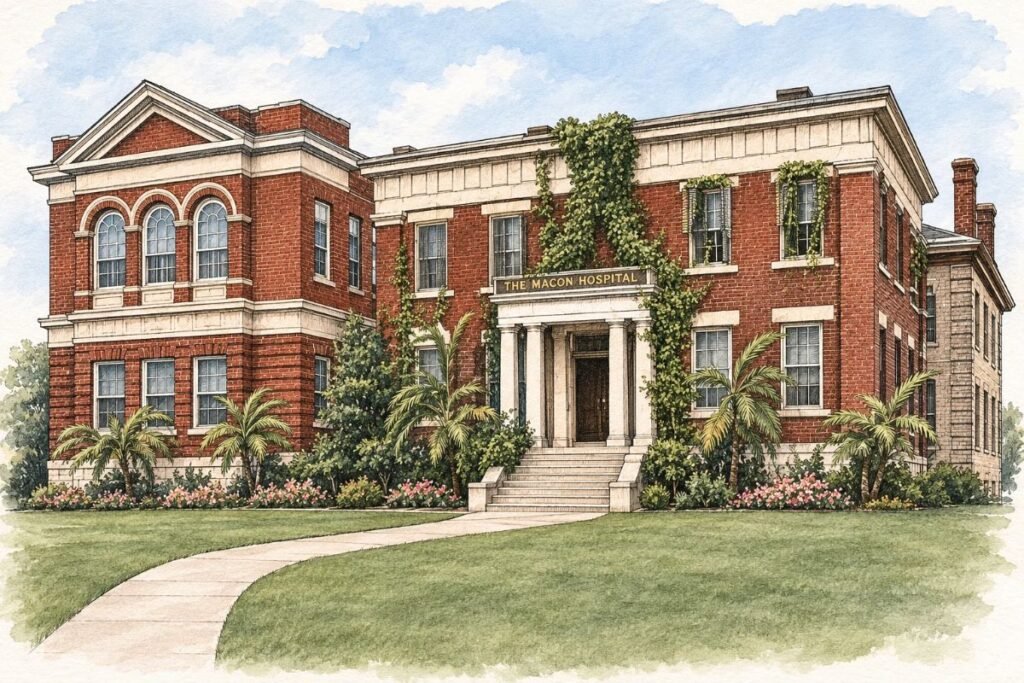
Ellamae Ellis League: The Architect Who Helped Shape Macon, Georgia
From extraordinary private residences to some of Macon’s important public buildings, the architectural legacy of a remarkable woman continues to enrich the character of Middle Georgia.
Some architects leave behind buildings. Others leave behind an architectural identity that becomes inseparable from the history and character of a community. In Macon, Georgia, few individuals embody that distinction quite like Ellamae Ellis League.
Also known as Ella Mae Ellis League, she was a pioneering Georgia architect whose professional career spanned more than five decades. Her work encompassed distinctive private residences, educational institutions, healthcare facilities, religious buildings, and historic preservation projects.
At a time when relatively few women were practicing architecture professionally in the American South, League established an independent architectural practice in Macon and earned recognition within one of the nation’s most respected professional architectural organizations.
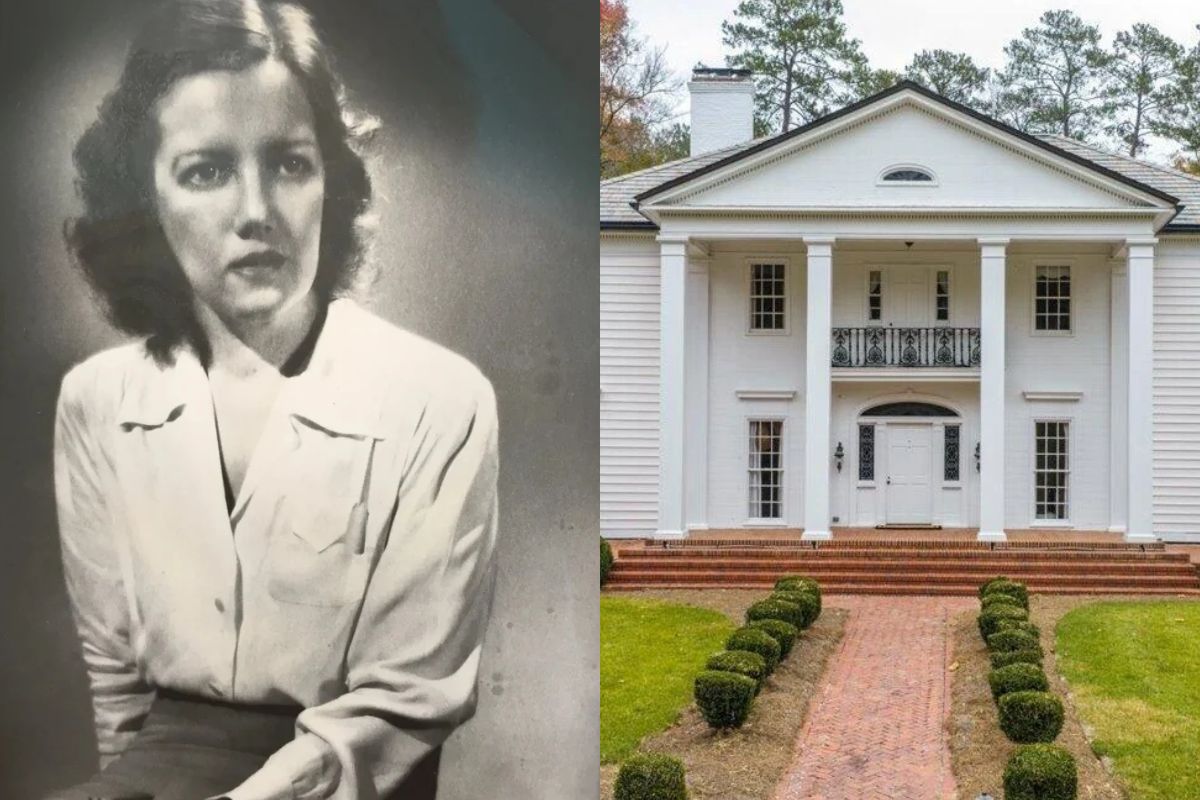
Today, her legacy remains visible throughout Macon, particularly in the established residential neighborhood of Shirley Hills, where several homes reflect different periods of her architectural career.
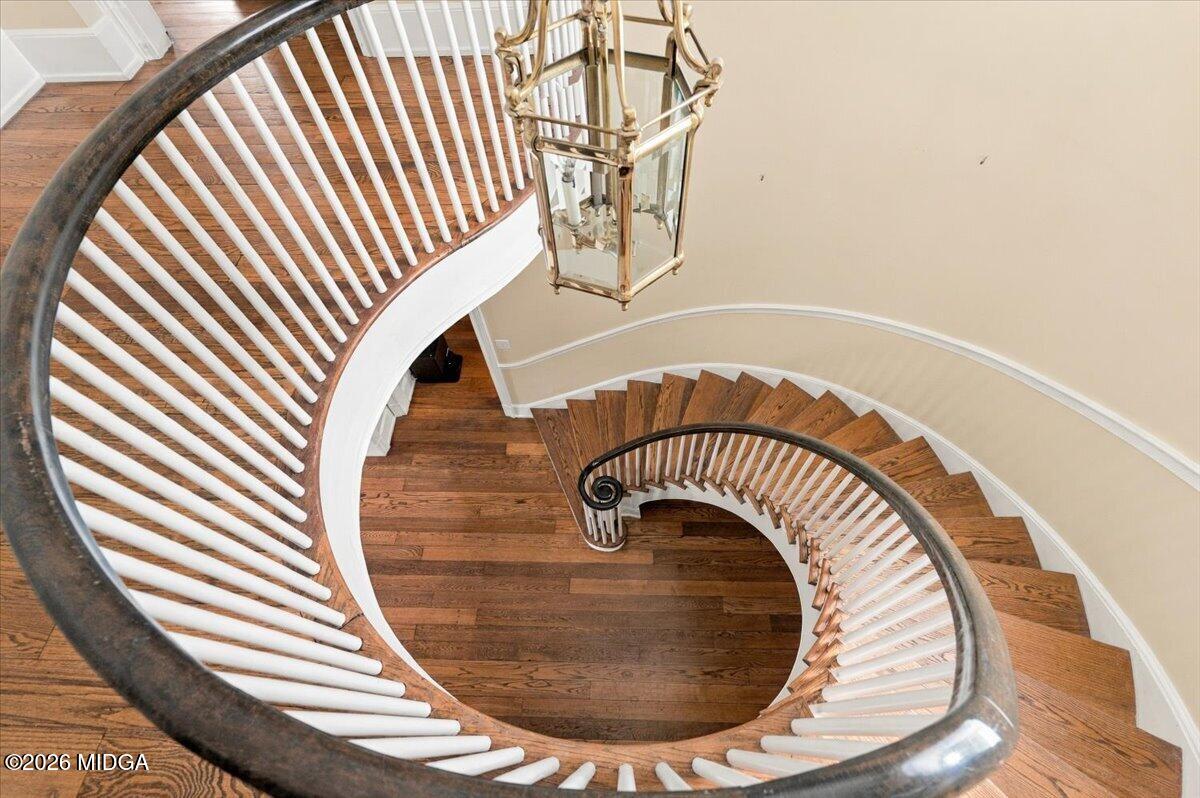
Among those residences is 1435 Twin Pines Drive, an exceptional historic estate built in 1937 and recently introduced to the real estate market by Joanna “JoJo” Jones of Sheridan Solomon & Associates. Its architectural origins provide a wonderful opportunity to rediscover the woman whose work helped shape Macon’s built environment.
To appreciate the architecture of Macon is to appreciate the people who imagined its buildings, understood its landscape, and translated their ideas into places that would endure for generations.
Who Was Ellamae Ellis League?
Born in Macon, Georgia, in July 1899, Ellamae Ellis League grew up with a family connection to architecture that extended across generations. Her mother’s family included individuals associated with the architectural profession, providing an important historical connection to the field she would eventually pursue.
She attended Wesleyan College in Macon before beginning her architectural career in 1922. Rather than following a conventional professional path, League developed her abilities through practical experience, independent study, and specialized architectural education.
Her early professional experience included working with the Macon architectural firm of Dunwody and Oliphant, where she gained firsthand knowledge of architectural drafting, building design, and the practical responsibilities involved in bringing a project from concept to construction.
League subsequently pursued architectural studies through the Beaux-Arts Institute of Design and attended the prestigious school of fine arts at Fontainebleau, France, during the late 1920s.
Her exposure to European architectural education, combined with her experience in Georgia, provided a broad foundation from which she would develop a remarkably versatile professional career.
Ellamae Ellis League at a Glance
1899–1991
Macon, Georgia
1922–1975
1934
Established 1934
AIA Fellow, 1968
More Than 700
Approximately 9,200
Historical information compiled from the New Georgia Encyclopedia, Georgia Women of Achievement, the Beverly Willis Architecture Foundation, and National Register of Historic Places documentation.
A Pioneering Woman in Southern Architecture
In 1934, Ellamae Ellis League became a registered architect in Georgia and established her own architectural practice in Macon. She was the fourth woman to attain architectural registration in the state.
The timing of her achievement was especially noteworthy. The country was experiencing the economic difficulties of the Great Depression, yet League succeeded in developing a professional practice capable of undertaking both residential and institutional commissions.
Over the following decades, her professional responsibilities expanded beyond the design of private homes to include projects serving the broader needs of Macon and surrounding communities.
She also became deeply involved in professional architectural organizations, education, and the advancement of younger architects.
In 1968, League was elected to the College of Fellows of the American Institute of Architects, earning the distinction of FAIA in recognition of her service to the profession.
Her achievements represent an important chapter in the history of architecture in Georgia, as well as the professional contributions of women who helped shape twentieth-century American design.
The Residential Architecture of Ellamae Ellis League
One of the most interesting aspects of League’s architectural career is the variety of residential designs associated with her practice.
Her work extended across a period of considerable change in American architecture, from the traditional residential expressions of the early twentieth century to the increasingly modern designs that emerged during the decades following World War II.
Macon’s historic residential architecture offers an opportunity to observe this evolution firsthand. Traditional estates, revival-style residences, contemporary mid-century homes, and other architectural expressions can be found throughout the city’s established neighborhoods.
League’s portfolio demonstrates that an architect’s legacy does not necessarily depend upon adherence to a single recognizable style. The requirements of a commission, the surrounding landscape, available materials, and the intended use of a residence all provide opportunities for different architectural solutions.
Architecture Beyond the Exterior
The significance of an architect-designed residence extends beyond its appearance from the street. Interior proportions, circulation between rooms, the relationship between formal and informal spaces, natural light, and connections to the outdoors are fundamental elements of residential architecture.
For buyers interested in historic real estate in Macon, understanding these qualities can provide a deeper appreciation of a home’s original design and the architectural traditions it represents.
Within the winding streets and established landscapes of Shirley Hills, the architectural evolution of twentieth-century Macon can be experienced through the homes that remain today.
Ellamae Ellis League and the Development of Shirley Hills
The Shirley Hills Historic District occupies an important place in the residential architectural history of Macon, Georgia.
Its development reflects the expansion of residential Macon beyond its earlier urban neighborhoods, with homes occupying landscaped properties along streets that respond to the area’s natural terrain.
League’s connection to Shirley Hills extended beyond professional commissions. In 1940, she designed a residence for herself at 1790 Waverland Drive, establishing a personal connection to the neighborhood in which several of her designs were constructed.
The Ellamae Ellis League House was individually added to the National Register of Historic Places in 2005. Its design provides an important reference point for understanding her architectural interests and the changing character of American residential architecture during the twentieth century.
A later residence at 1849 Waverland Drive, designed in collaboration with her daughter, architect Jean League Newton, further demonstrates the family’s contribution to the architectural diversity of Shirley Hills.
Together with earlier commissions such as 1435 Twin Pines Drive, these properties offer an opportunity to explore different stages of League’s professional development within a single Macon neighborhood.
1435 Twin Pines Drive: A Remarkable Example of League’s Residential Architecture
Constructed in 1937 in Macon’s historic Shirley Hills neighborhood, this distinguished estate connects contemporary luxury living with an important chapter in Georgia’s architectural history.
Among the residences associated with Ellamae Ellis League, 1435 Twin Pines Drive in Macon, Georgia, presents an especially interesting opportunity to explore her early independent architectural work.
The home was constructed just three years after League established her own architectural practice. National Register documentation for the Shirley Hills Historic District identifies League as the architect of the residence and records its construction date as 1937.
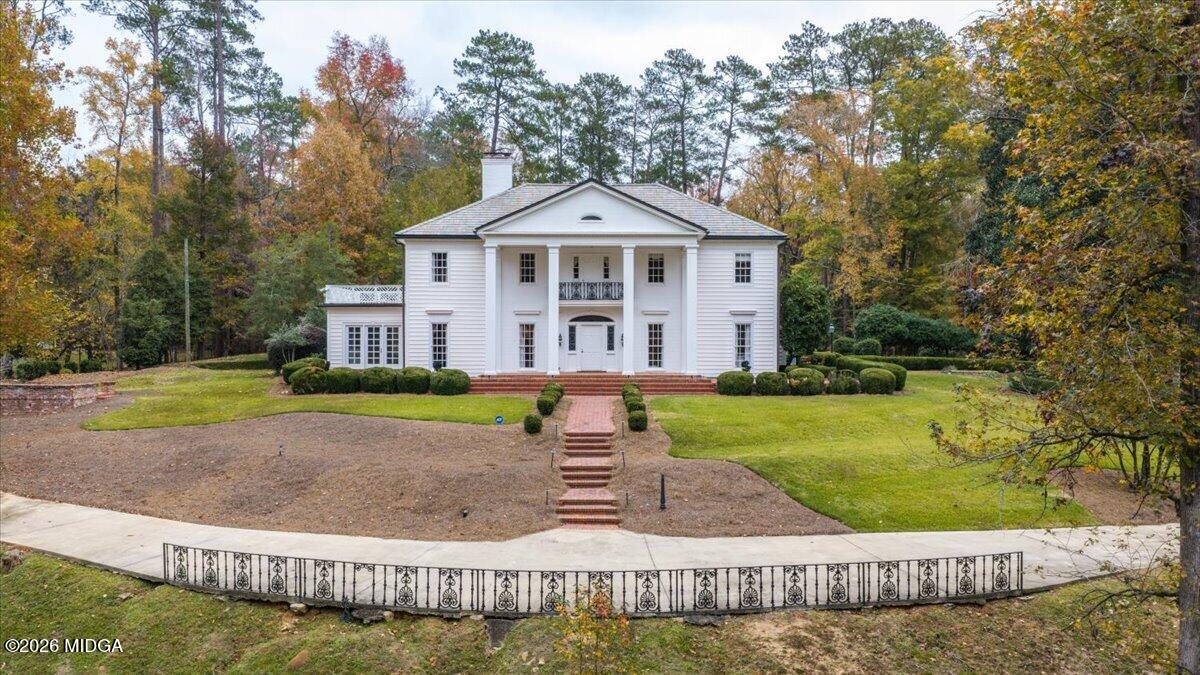
The estate combines the architectural presence of a substantial historic residence with features that support contemporary residential living.
Its principal residence, separate cottage, tennis courts, and landscaped setting contribute to the property’s distinctive estate character. These features offer multiple dimensions to the residential experience beyond the main house itself.
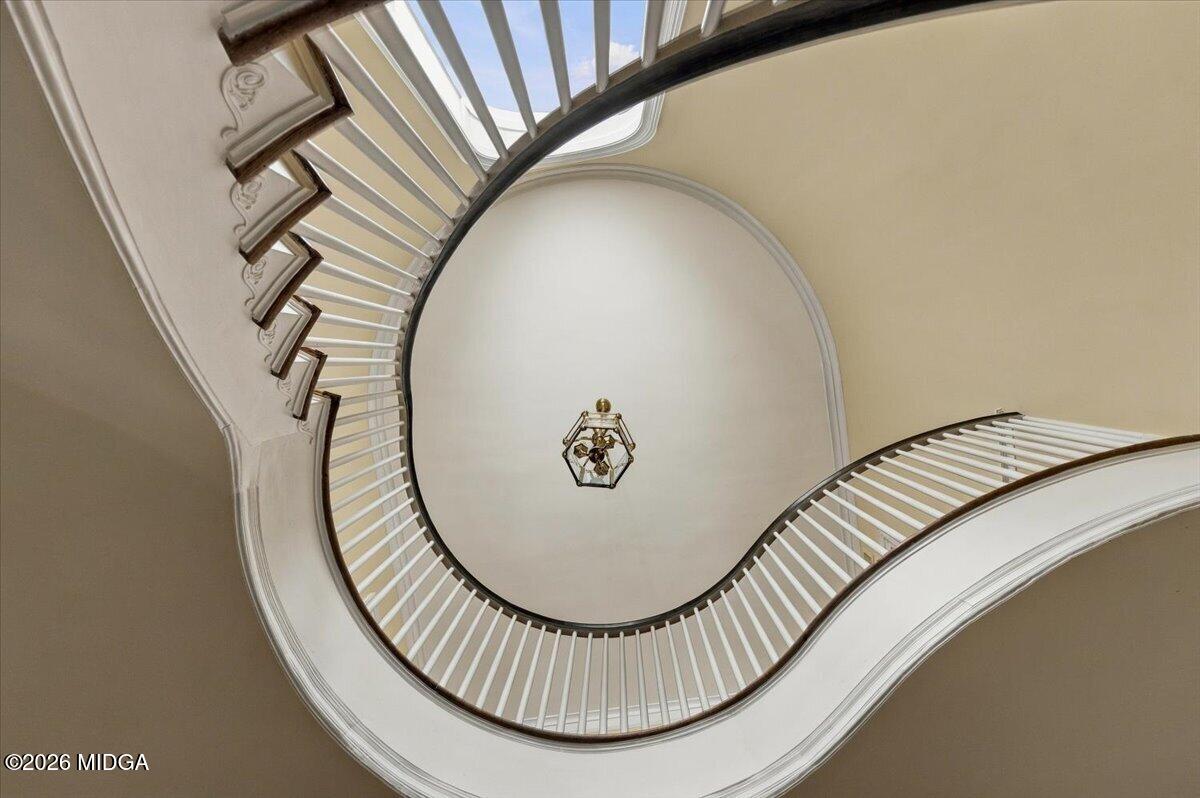
For individuals who appreciate historic architecture, the documented connection to League adds another dimension of interest. The residence represents not only a substantial Macon property but also a surviving example of the work of a notable Georgia architect.
Recently listed by Joanna “JoJo” Jones of Sheridan Solomon & Associates, the property offers prospective buyers an opportunity to explore a home with an identifiable architectural history in one of Macon’s established historic neighborhoods.
What Makes an Architect-Designed Historic Home Special?
Many historic homes possess distinctive architectural features, but a documented connection to an established architect provides an additional layer of historical understanding.
Knowing who designed a residence can help place the property within the broader history of a community, the architectural movements of its period, and the professional development of its designer.
In the case of Ellamae Ellis League, her residences also reflect the contributions of an individual whose career extended through significant changes in American residential design.
Original plans, construction records, period photographs, historic district documentation, and surviving architectural details can all help reveal the story of a particular home.
Although architectural provenance does not independently determine market value or property condition, it can provide meaningful context for buyers who appreciate design, craftsmanship, historic preservation, and the individuality of a residence.
Beyond Residential Architecture: League’s Notable Macon Projects
Although her private residences are of particular interest to enthusiasts of historic real estate, League’s professional influence extended well beyond residential architecture.
The Grand Opera House
One of League’s most significant preservation accomplishments involved the restoration of Macon’s historic Grand Opera House.
During the late 1960s, she contributed architectural expertise to the effort to preserve the theater, helping establish a path toward its continued use as a cultural venue.

Her preservation work was recognized in 1975 when she received the Ivan Allen Senior Award from the North Georgia Chapter of the American Institute of Architects.
The Grand Opera House remains an important part of Macon’s cultural identity and illustrates the enduring contribution that historic preservation can make to a community.
Ballard-Hudson High School
League’s educational projects included Ballard-Hudson High School in Bibb County. The commission reflects her involvement in the design of institutional buildings serving the educational needs of the community.
Macon-Bibb County Health Center
Her portfolio also included the Macon-Bibb County Health Center, a project documented through historical photographs dating to 1957.
The building illustrates the diversity of her professional responsibilities and her involvement in architecture intended to serve public healthcare needs.
Additional Residential and Institutional Commissions
Other projects associated with League’s practice include the Scottish Rite Temple, Winship Elementary School, professional offices, and residences commissioned by Macon families throughout the middle decades of the twentieth century.
The variety of these commissions demonstrates the breadth of her architectural experience and provides a broader understanding of her contribution to Middle Georgia’s built environment.
More Than 700 Projects and Approximately 9,200 Drawings
Georgia Women of Achievement documents an extensive collection of League’s architectural drawings, representing more than 700 projects.
Materials associated with her career are preserved through the Middle Georgia Archives at Washington Memorial Library in Macon.
For architectural historians, preservationists, property owners, and researchers, these records provide a remarkable resource for exploring the development of residential and institutional architecture in Middle Georgia.
An Architectural Legacy Across Generations
League’s architectural influence continued through her daughter, Jean League Newton, who also pursued a professional career in architecture.
Following her architectural education at Harvard, Newton returned to Macon in 1945 and joined her mother’s practice.
Their professional collaboration brought together two generations of architectural experience during a period of changing residential preferences and increasing interest in modern design.
Their combined legacy represents a distinctive chapter in Macon’s architectural history and offers another perspective on the evolution of Georgia residential architecture during the twentieth century.
Historic Homes in Macon and Middle Georgia
From magnificent nineteenth-century residences to distinguished twentieth-century estates, Macon possesses an architectural heritage expressed through a remarkable variety of residential designs. League’s architectural contributions represent an important chapter in the history of Macon, Georgia, real estate and the development of its distinctive residential neighborhoods.
Discover the architectural traditions, notable residences, historic neighborhoods, and distinctive properties that contribute to the character of Macon and surrounding Middle Georgia communities.
Owning a Piece of Macon’s Architectural History
Purchasing a historic residence can be a deeply personal decision. Beyond location, square footage, amenities, and property condition, some buyers are drawn to the individuality of a home and the history associated with its construction.
Architect-designed properties may offer distinctive interior arrangements, substantial craftsmanship, specialized architectural details, and relationships between the residence and surrounding landscape that differ from more standardized contemporary construction.
For prospective buyers, researching a historic home’s architectural background can be an enjoyable and informative part of the real estate process.
It is equally important to understand maintenance requirements, previous renovations, structural conditions, applicable historic district regulations, and any restrictions that could affect future improvements.
Homes such as 1435 Twin Pines Drive illustrate how historic architecture can remain relevant to contemporary real estate while preserving a tangible connection to Macon’s past.
Discover Macon’s Architectural Treasures with Joanna “JoJo” Jones
Every distinctive home has a story. Some stories are revealed through architectural details, others through the history of a neighborhood, and still others through the individuals responsible for a home’s design.
Joanna “JoJo” Jones, REALTOR® with Sheridan Solomon & Associates, brings local real estate knowledge and an appreciation for the architectural diversity that makes Macon such an interesting residential market.
From historic estates in Shirley Hills and Vineville to beautifully maintained residences throughout Macon and Middle Georgia, JoJo assists buyers and sellers in exploring properties with a wide range of architectural styles, histories, and individual characteristics.
Her featured listing at 1435 Twin Pines Drive offers an opportunity to discover a residence associated with one of Georgia’s notable twentieth-century architects.
Whether you are searching for a distinguished historic estate, an architect-designed residence, or a home that reflects your individual preferences, JoJo welcomes the opportunity to assist you in your Middle Georgia real estate journey.
Long after the original architectural drawings are completed, the buildings remain — carrying the imagination of their designers into the lives of generations yet to come.
Find Your Extraordinary Home in Macon, Georgia
Interested in 1435 Twin Pines Drive, historic luxury homes, or other distinctive properties throughout Macon and Middle Georgia? Connect with Joanna “JoJo” Jones, REALTOR® with Sheridan Solomon & Associates, for local real estate information and professional representation.
Historical Sources and Related Reading:
New Georgia Encyclopedia – Ellamae Ellis League;
Georgia Women of Achievement;
Wesleyan College;
Beverly Willis Architecture Foundation;
National Register of Historic Places – Ellamae Ellis League House;
National Register of Historic Places – Shirley Hills Historic District;
and the
Historic Macon Foundation.
Historical Information: Published November 2026. Architectural and biographical information is based on available historical documentation and archival references. Inclusion within a historic district does not necessarily indicate individual designation on the National Register of Historic Places.
Real Estate Information: This article is provided for general architectural, historical, and real estate information by Joanna “JoJo” Jones of Sheridan Solomon & Associates. Property availability, features, pricing, condition, and applicable regulations should be independently verified. Architectural attribution does not constitute an appraisal or guarantee of property value.

New Listings: Macon Georgia
Sign up: Market Reports
Learn More: About JoJo
View More: Macon Listings
Featured: Macon Magazine
JoJo's Properties: JoJo's Listings Hub
Contact Me: Sell Smart with JoJo™